A group of former Quickway Transportation truck drivers alleged in a lawsuit Thursday that they were illegally overlooked by no-hire agreements between Swift Transportation, U.S. Xpress Enterprises and Werner Trucking Co.
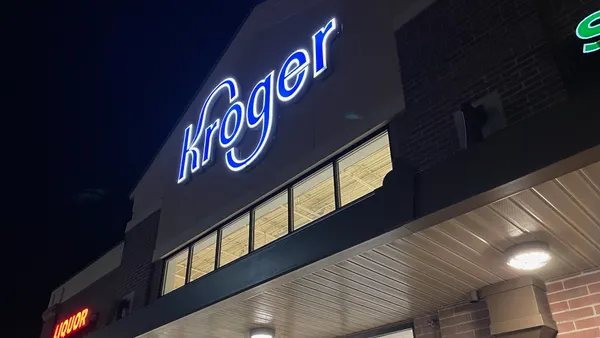
The lawsuit alleged a “gentlemen’s agreement” prevented the drivers from getting work, saying grocery giant Kroger allegedly directed the ban, and accused carriers of implementing it.
The hiring conflict came as Kroger replaced routes with Werner plus Knight-Swift Transportation Holdings subsidiaries Swift and U.S. Xpress. The complaint listed the former as Werner Trucking Co., which an Ohio business database details as Werner Enterprises.
According to the complaint, the grocery chain “instructed Werner, Swift, and U.S. Xpress not to hire, recruit, solicit, or employ former Quickway drivers, and Werner, Swift, and U.S. Xpress agreed not to not to hire, recruit, solicit, or employ these drivers.” Drivers learned about the alleged no-hire arrangement through representatives of the carriers, the lawsuit said.
“Kroger has impermissibly sought, directly and indirectly, to suppress wages and benefits as part of its anti-union strategy and through its no-hire agreements,” the lawsuit said.
The grocery chain, Werner and Knight-Swift didn’t immediately respond to Trucking Dive about the allegations. As of Monday, the companies had yet to file responses in the case.
The case involves three drivers, two of which served a site in Indiana and the other who was working in Virginia. The measure seeks to represent over 100 drivers in a class action. They’re seeking damages, intervention on the alleged anti-competitive collusion and other relief.
Quickway filed for Chapter 11 bankruptcy in January before converting that to a Chapter 7 bankruptcy, which took place through a February court order. Local Teamsters units represented many employees for the company.
Previously, the company shut down a Louisville, Kentucky, terminal that serviced a Kroger Distribution Center, which supplied 242 Kroger-owned grocery stores in Illinois, Indiana, Kentucky and Tennessee, the National Labor Relations Board noted. A board order found the Quickway site:
- shutdown was improper
- needed to be reopened
- must reinstate fired employees
A U.S. circuit court backed that NLRB decision, saying the evidence showed Quickway was motivated by anti-union sentiment.
In that case, the court noted how a Quickway Group operations executive said in an email that the company didn’t want the union to contact company drivers from outside the area picking up loads there, and the Supreme Court refused to hear the case, solidifying the circuit court’s decision.
But a pending strike that materialized in December 2020 for its Louisville Distribution Center required the business to end a contract with Kroger, the company previously said. Multiple Quickway executives found that the carrier “could be held responsible for two to four million dollars in damages to Kroger the first day of the strike, and more than one million dollars in damages every day thereafter.”
The collapse of Quickway, a key Kroger transportation partner, made a significant impact on the market. Kroger services generated most of the Quickway Group’s revenue, and nine terminals serviced Kroger directly, the NLRB noted in its 2023 order. As of mid-July last year, Quickway had over 300 drivers and 228 power units.