Dive Brief:
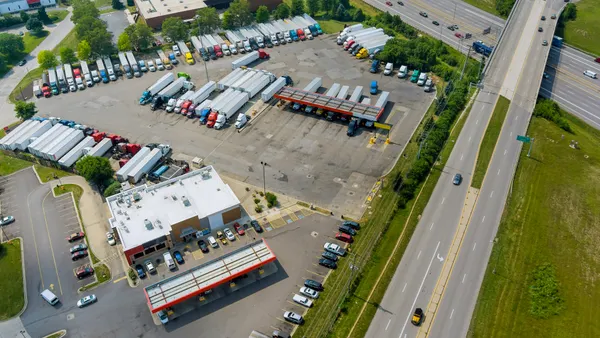
- The Minnesota Highway Freight Program, a state funding source, will pay $1.7 million for technology upgrades to seven state-operated truck parking areas to improve the accuracy of capturing open and occupied spaces.
- The upgrades include replacement of truck parking information system sensors and installation of new safety cameras, according to the Minnesota Department of Transportation.
- The project is slated to begin in the state’s 2028-2029 budget biennium, Anne Meyer, spokesperson for the state DOT, said in an email to Trucking Dive.
Dive Insight:
Funds to upgrade several of Minnesota’s state-owned truck parking areas were included as part of $76.2 million investment through the Minnesota Highway Freight Program.
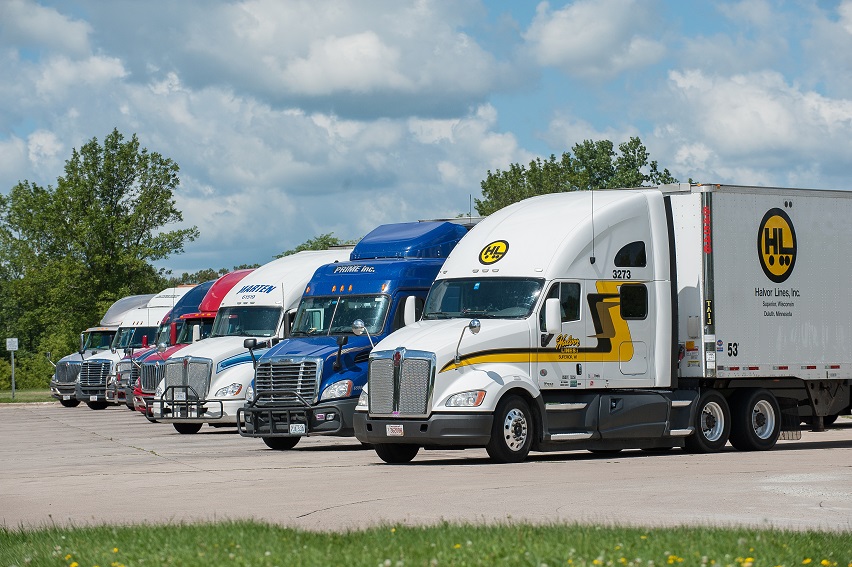
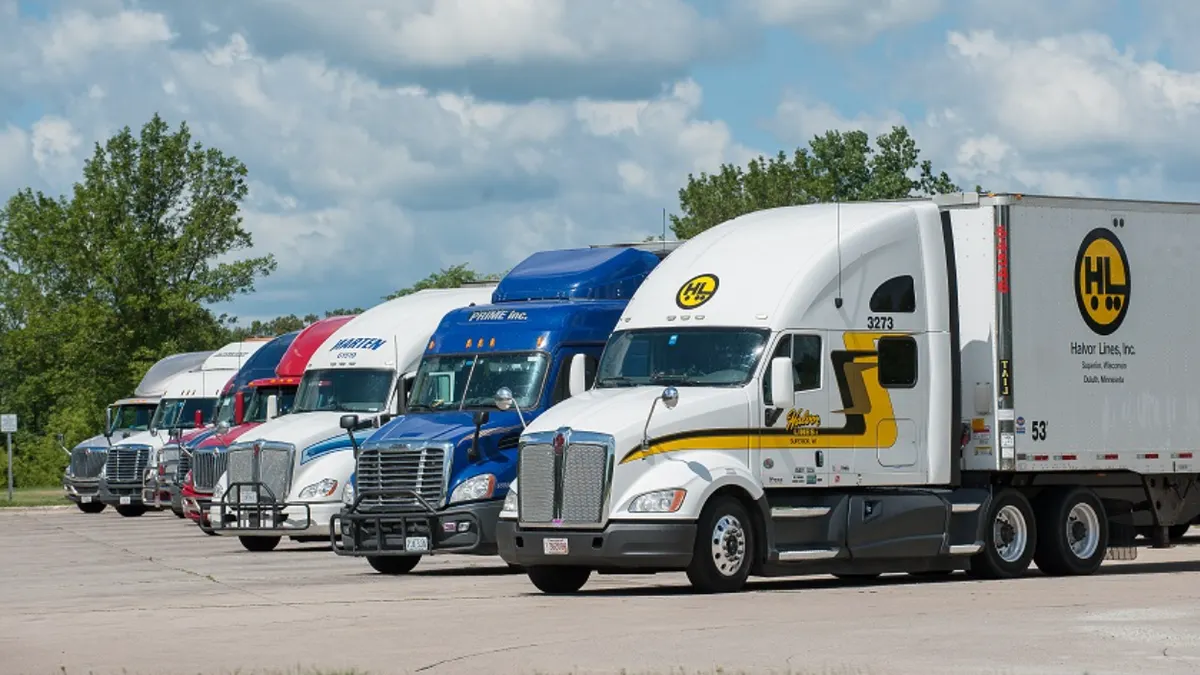
Technology upgrades in state-owned truck parking areas will provide accurate coverage for available parking space. As of Jan. 1, Minnesota has 4,622 truck parking spaces operated by the state and provided by businesses, including truck stops.
Minnesota is among many states, including Wisconsin, Washington, and Ohio, seeking ways to improve access and add more truck parking spaces.
“MnDOT recognizes that there is a statewide and national truck parking shortage, and that truck parking shortages are highest near urban centers,” Meyer said.
She said the state recognizes that adequate truck parking has been a long-term industry problem nationwide, but individual states cannot solve the issue alone.
However, states can be proactive. Last summer, Minnesota launched a truck parking study to identify needs and possible solutions with recommendations it expects to share this summer, Meyer said. Minnesota’s study results will also help inform the national Jason’s Law Survey by providing updated data to the U.S. Department of Transportation, she said.
Minnesota is focused on providing targeted improvements in areas with the most unmet parking demand, she said.
“Truck drivers on average spend over 45 minutes per day looking for safe places to rest,” Meyer said. “If we can provide them with accurate information about truck parking availability at public rest areas this can help reduce dangerous behavior like parking on highway shoulders and rest area ramps.”