The Supreme Court rattled part of the Trump administration’s international policy with its 6-3 decision Friday against the president’s use of tariffs under the International Emergency Economic Powers Act.
Trucking groups, supply chain businesses and others quickly weighed in on the immediate and potential impacts of the high court’s finding that “IEEPA does not authorize the President to impose tariffs.” The decision addressed tariffs President Donald Trump and his administration imposed on Canada, China, Mexico and dozens of other countries across the globe.
“While the tariffs issued under the IEEPA end, this decision does not necessarily spell the end of this U.S. Administration’s approach to trade policy,” C.H. Robinson Worldwide President of Global Forwarding Mike Short said in a statement. “We expect the Administration to introduce replacement tariffs under different authorities, at a similar level.”
Those IEEPA actions, applied under a national emergency basis, represented just one form of tariffs. Other tariffs levied by the administration have stemmed from investigations protecting national security under the Trade Expansion Act of 1962 as well as responding to unfair trading practices under the Trade Act of 1974.
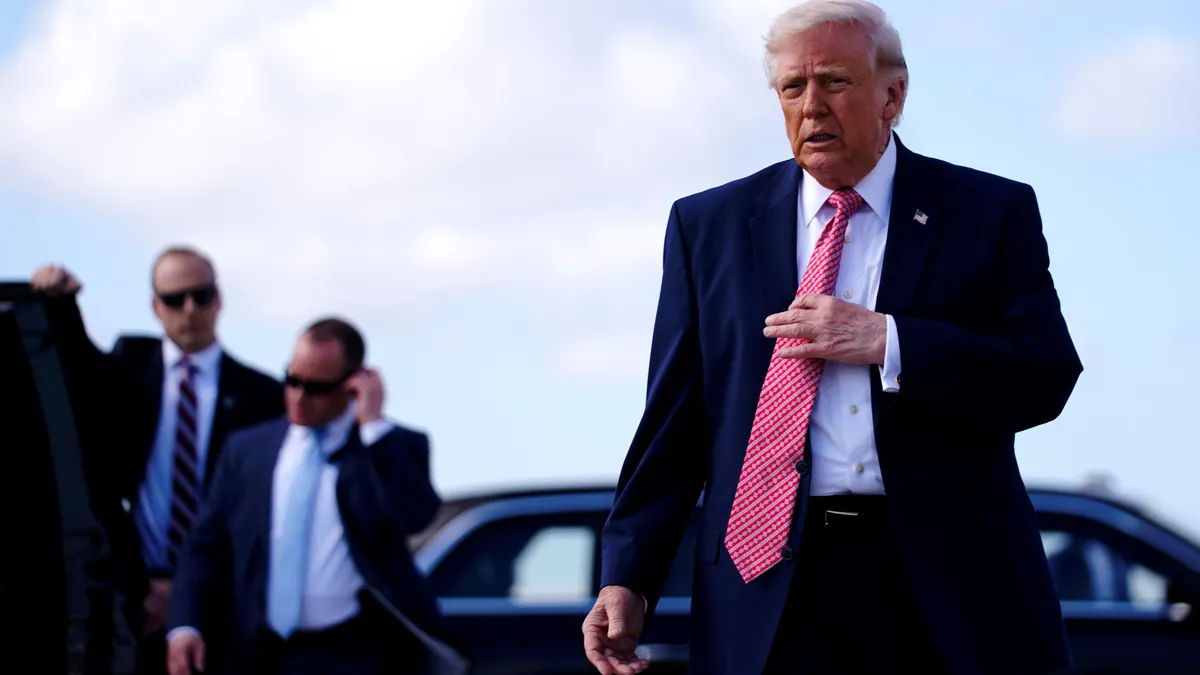
Trump noted in a news conference Friday that other tariffs available to him were stronger than the IEEPA.
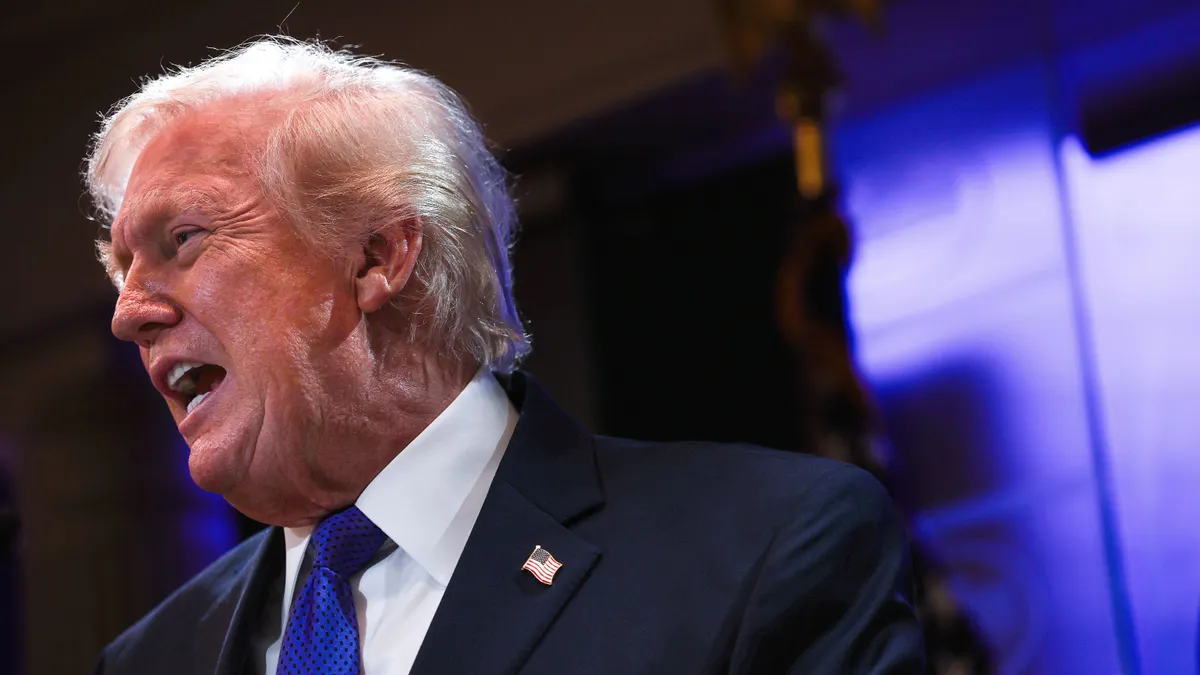
"Other alternatives will now be used to replace the ones that the court incorrectly rejected,” Trump said. “We have alternatives.”
Following the court decision, here’s what some key organizations said.
American Trucking Associations
“The trucking industry succeeds when America’s supply chains have clarity and confidence about the road ahead. Greater long‑term certainty to our trading landscape helps ensure strong, consistent freight flows — the lifeblood of our economy. ATA remains committed to working closely with the Trump Administration and Congress to build durable, high‑quality trade agreements that expand markets, strengthen U.S. competitiveness, and keep freight moving safely and efficiently. Trade and trucking are inseparable, and we look forward to partnering with policymakers to shape a stable, growth‑oriented environment that supports America’s drivers, shippers, and manufacturers.” — ATA President and CEO Chris Spear
FTR Transportation Intelligence
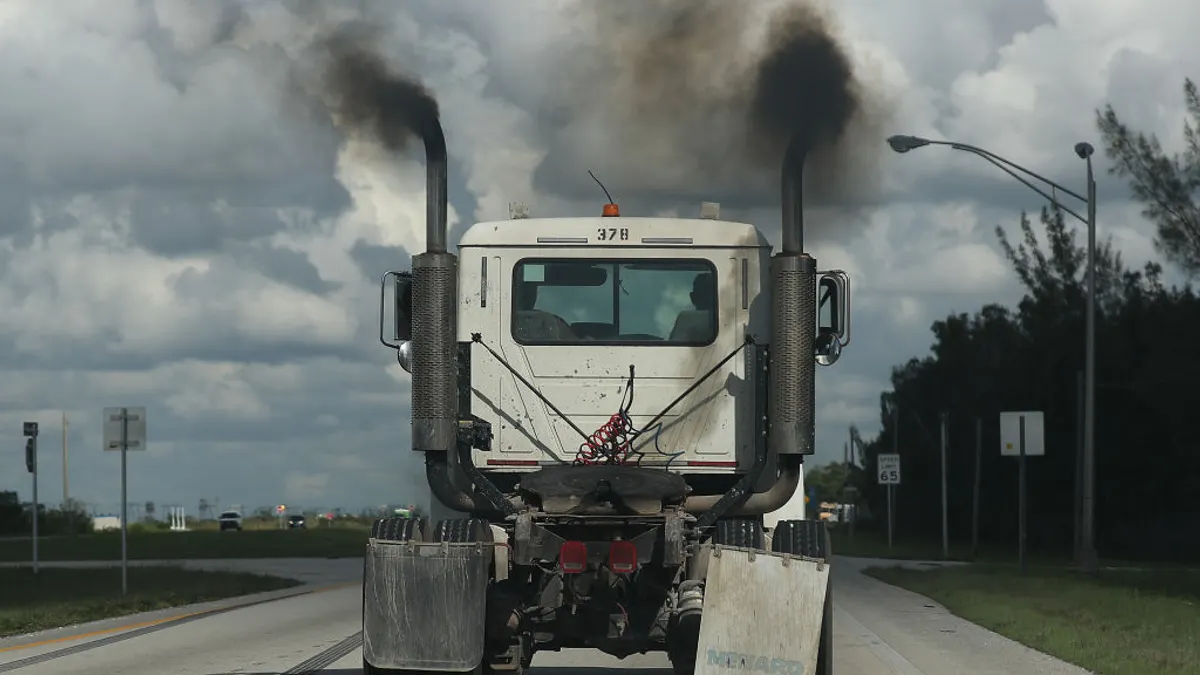
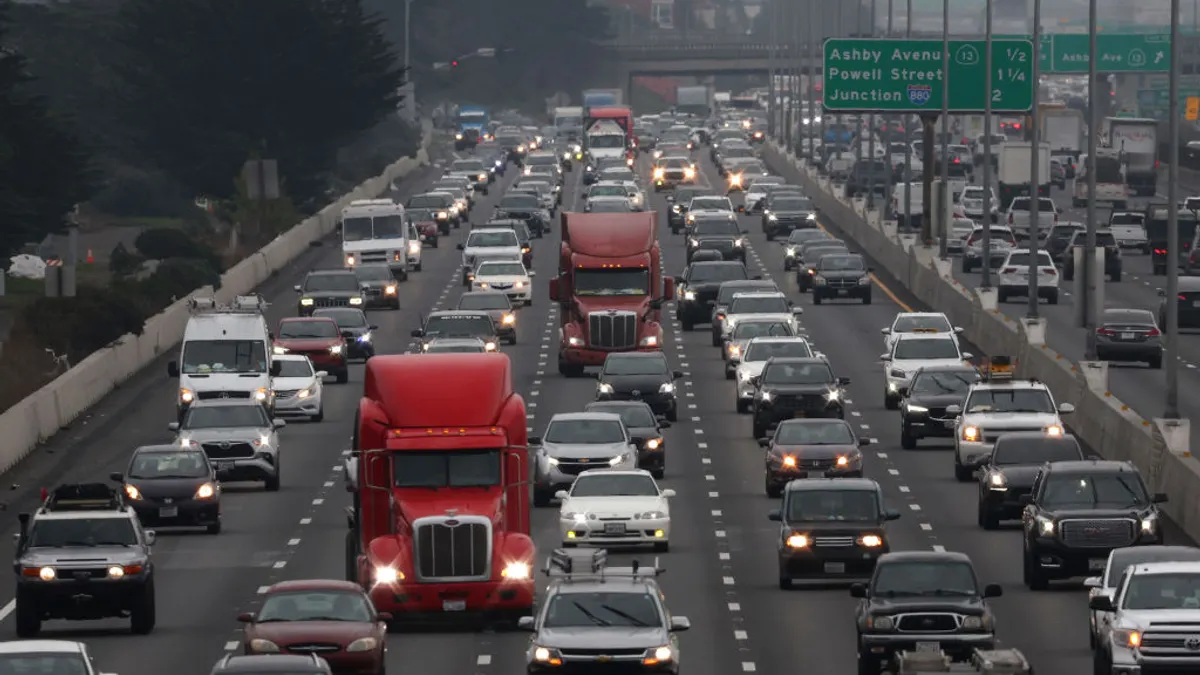
“We do not see a significant impact on trucking broadly speaking in volume, but the chaos and uncertainty injected into supply chains might produce some volatility in certain areas — mainly in intermodal drayage and, possibly, dry van in port regions. Arguably, many shippers expect some sort of workaround from the Trump administration and might pull forward some imports in the near term to avoid whatever those new tariffs or alternatives might prove to be. All that activity might be temporary starting no earlier than late March, but trucking capacity clearly is much closer to underlying demand than it was a year to three years ago. Therefore, there could be a brief spot market impact, but it’s likely that any discernable effects will be lost in a stronger truck freight market in general.” — Avery Vise, FTR VP of trucking
Moody’s
“Following the Supreme Court ruling against country-based tariffs, the administration may impose additional commodity-based tariffs. This could trigger another round of exemption requests and international trade negotiations, potentially prolonging the tariff rate uncertainty and resulting sourcing paralysis well into 2026. Making prudent, long-term sourcing decisions becomes difficult when you can only make solid assumptions about tariffs for some potential vendors, but not for others. This sourcing paralysis may temporarily keep tariff-affected customers and suppliers in an uneasy status quo, leading to 2026 supplier negotiations that are more adversarial and short-term in their outlook.” — Andrei Quinn-Barabanov, Moody’s supply chain industry practice lead
C.H. Robinson Worldwide
“The Supreme Court has decided to strike down the IEEPA tariffs, but significant unknowns remain. The Court did not address remedies or refunds, leaving those issues to be decided by the Administration, Congress or litigation.” — President of Global Forwarding Mike Short
Owner-Operator Independent Drivers Association
“Small business truckers have been navigating the worst freight downturn in modern history, and greater market stability and clarity could help support a broader recovery. OOIDA will continue to monitor developments and update our members accordingly.” — OOIDA spokesperson