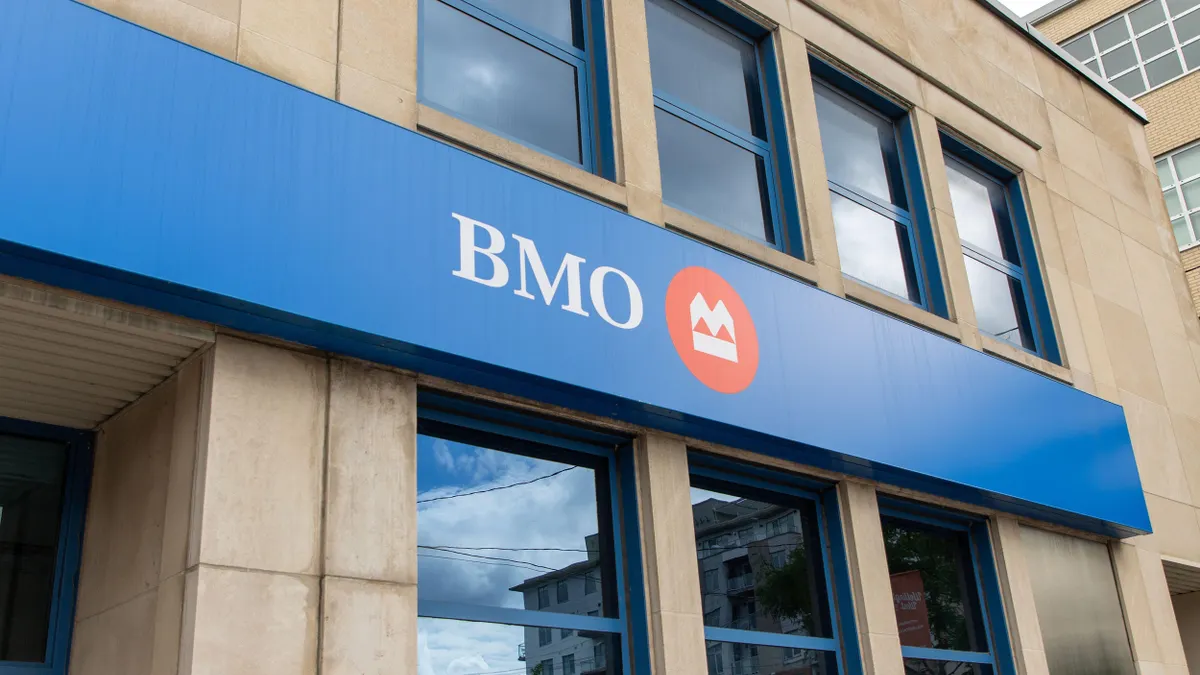
BMO’s U.S. transportation loan portfolio recently hit a new peak on a risk measure, the highest on record.
Gross impaired loans rose to C$425 million in Q1, which was approximately $311 million at the time of the Feb. 25 earnings call.
Gross impaired loans represent risk of possible non-repayment, and the new peak in the metric signals potential problems for the industry in terms of repaying equipment debts and whether carriers will emerge from the yearslong freight recession or not.
Q4’s GIL level was already significantly higher than previous quarters, but impaired formations in transportation loans went from C$111 million in that quarter to C$49 million in Q1, suggesting improvement.
“We're seeing positive migration trends, lower watch list levels and reduced impaired formations,” Chief Risk Officer Piyush Agrawal said at the company’s Investor Day on March 26. “The U.S. economy continues to demonstrate resilience anchored by expansionary fiscal policies and supportive monetary policies and AI investments.”
BMO’s U.S. transportation loan impairments hit new peak
A year ago, the entire transportation portfolio’s gross impaired loan level was C$410 million, covering both the U.S. and Canada. Now the U.S. portion alone represented more than that amount to start off 2026.
BMO is a key trucking lender. The company previously noted to Trucking Dive its market leadership for non-captive audiences, i.e. equipment loans not tied to an OEM.
Despite a volatile environment with diesel, regulatory and tariff changes, trucking businesses have seen some signs of stability in Q1 with higher spot rates holding, equipment orders showing strength and market exits becoming less prevalent.