
Across the freight sector a quiet competition is underway. Leading fleet operators are demonstrating efficiency-boosting sustainability efforts ahead of lagging performers. Decarbonizing transportation is creating a race to the top among leading companies that are reducing reliance on fossil fuels to deliver cleaner freight transportation for consumers.
A new report, 4 Actions Fleets Must Take to be Sustainability Leaders Today: Benchmarking the Transition to Zero-Emission Fleets, summarizes analysis of public reports and practices among the top 100 U.S. fleets. The report shows where leadership is taking shape among these top companies.
Operational Risk and the Shift to Zero-Emission Fleets
Rising fuel costs pose a significant business risk, they are not only one of the largest operating costs, but also one of the most volatile. In recent weeks, diesel prices have climbed above $5 per gallon nationally, underscoring how quickly fuel prices can shift and how exposed freight operations remain to fossil fuel price volatility.
These price swings affect operating margins, supply chain planning and long-term investment decisions. This dynamic is one reason many companies increasingly view transportation sustainability not only as a climate issue, but also as a solution for operational efficiency and long-term resilience. Electrification and other zero-emission technologies offer the potential to reduce exposure to volatile fuel markets while improving energy efficiency and lowering operating costs over time.
Where Fleet Leadership Is Taking Shape
EDF’s Four Actions for Fleet Leadership provides a practical framework for turning transportation sustainability into operational practice. Analysis in the report shows that leadership is not defined by any single action, but how companies align commitments, planning, deployment and industry engagement to reinforce progress and enable long-term success.
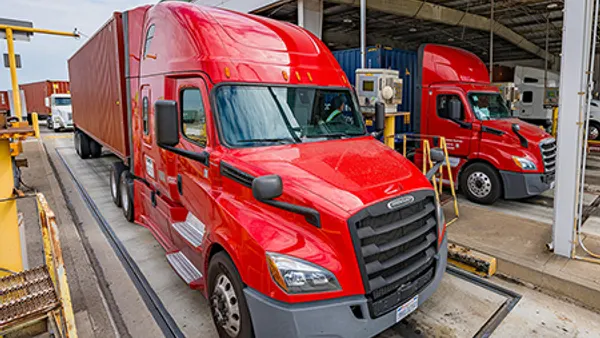
The report also highlights examples of how leading fleets are approaching this transition. NFI, for instance, had set a goal to operate a 100% zero-emission drayage fleet, it was supported by near-term milestones across vehicles, equipment and pilot deployments.
“For us, transitioning to zero-emission operations is both a sustainability priority and a business decision,” shares Alexa Branco, NFI’s director of sustainability. “Setting a long-term goal is important, but what matters most is building a clear path to get there with real deployments, measurable milestones and continuous learning along the way. That’s how we’re approaching the transition at NFI.”
Methods like this are beginning to define what leadership looks like in practice and raising expectations across the sector.
Advancing these practices delivers value across core business metrics and sustainability goals by improving operational efficiency, reducing exposure to fuel price volatility and delivering meaningful health benefits for communities. In doing so, companies not only reduce risk and improve performance, but also help create the conditions needed to scale cleaner transportation solutions across the industry.
Assess and Strengthen Your Fleet Strategy
EDF’s new report spotlights where fleets are making progress and where opportunities remain to strengthen ambition. For fleet operators and corporate leaders, this is an opportunity to understand how peers are navigating this transition, assess how current efforts align with emerging best practices and identify where to go further.
As companies navigate pressure to improve cost efficiency and manage energy risk in a changing environment, many are continuing to advance sustainability efforts. Expectations from customers, investors and employees continue to push leading companies to set and achieve net zero and zero-emission transportation goals. Companies that align ambition with action will be best positioned to manage volatility, improve performance and adapt as market and policy conditions evolve.
Read the full report to explore the data, see how your company compares and identify the next steps to strengthen your fleet strategy.