Dive Brief:
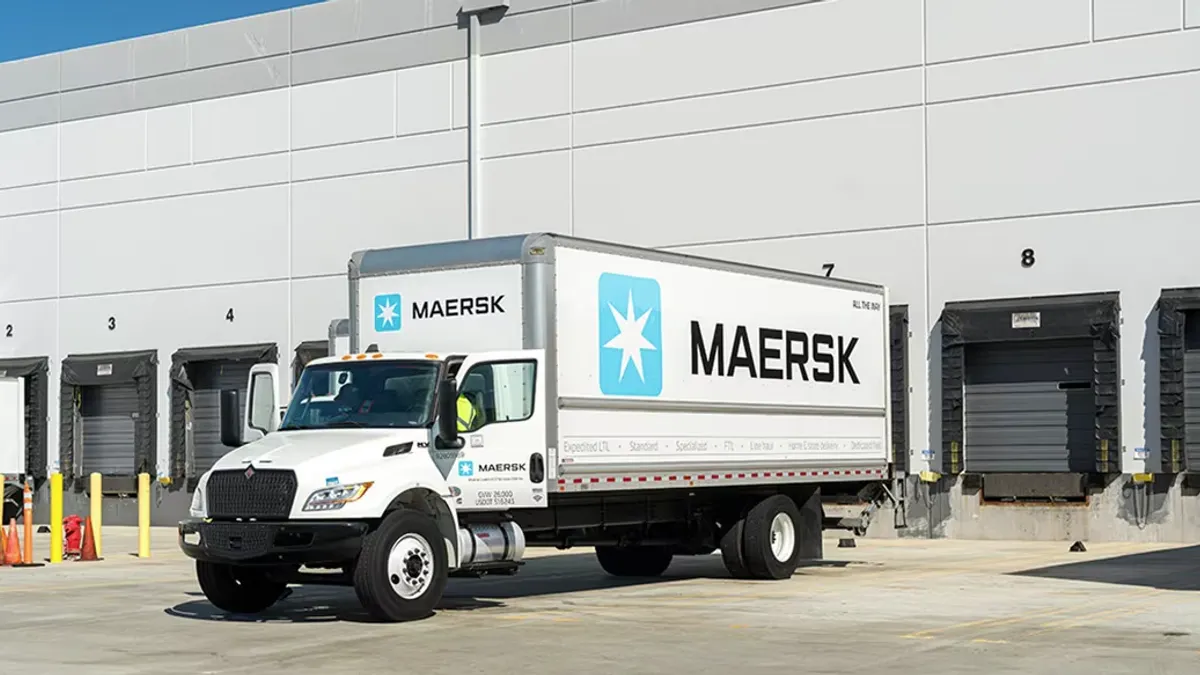
- A.P. Moller - Maersk has launched a dedicated lithium-ion battery ground freight service in North America, expanding its dangerous goods logistics network, according to a June 19 press release.
- The company is responding to three converging forces in the region: a multibillion-dollar market opportunity, rising demand from energy transition industries and the need for specialized transportation infrastructure, Bhavani Rawla, head of Maersk Ground Freight Product, North America said in an email to Trucking Dive.
- “The energy transition isn't just about what powers a vehicle — it's about the entire supply chain behind it,” Bob Livingston, U.S. head of Maersk Ground Freight Operations, said in the release.
Dive Insight:
Maersk’s investment reflects the rapid expansion of North America’s battery supply chain and the growing need for logistics providers that can safely transport hazardous materials.
U.S. battery manufacturing production increased 140% between 2020 and 2025, according to a report by the Center for Strategic and International Studies. As production ramps up, manufacturers and suppliers increasingly need transportation partners capable of handling lithium-ion batteries, which are regulated as hazardous Class 9 materials because of their fire risk.
Maersk will build on its dangerous goods expertise across its air and ocean logistics operations.
The service is limited to new Class 9 lithium-ion batteries and includes strict shipment standards, including that outbound batteries must have a state of charge between 10% to 60%, the release continued. Each shipment also requires documentation, such as a dangerous goods declaration and a safety data sheet, along with compliance procedures for cross-boarder transportation throughout North America.
Hazmat-trained drivers operate the service through Maersk’s existing ground freight network, Rawla confirmed via email. That network currently includes 65 participating stations and seven participating regional hubs, providing full-truckload, LTL and specialized solutions.
“Maersk will continue investing in its ground transportation portfolio to meet evolving customer demand,” Rawla said.
The launch comes as Maersk navigates some softer freight conditions in North America. The company said trade uncertainty and geopolitical conditions continued to weigh on the region during Q1. Still, its terminals business remained a bright spot, with volumes increasing 11% year over year.