Dive Brief:
- Ryder System posted stronger-than-expected Q1 results, buoyed largely by momentum in its contractual sales portfolio, according to its April 23 earnings report.
- CEO John Diez said during an earnings call that more than 90% of Ryder’s revenue now comes from long-term contracts, with contractual sales in the quarter reaching some of the most robust levels the transportation company has seen in recent years.
- “That really gave us some confidence and encouragement that, ‘Hey, customers are coming back in. They're looking to add fleet and make commitments,’” Diez said.
Dive Insight:
Ryder entered 2026 facing a mixed operating environment, but its contract-heavy business model helped deliver stability in Q1 and offered signs of resilience in a still-soft freight market.
The company reported Q1 operating revenue of $1 billion, flat year over year, a result of new business in omnichannel retail as well as lost business and lower volumes in automotive. Expanding contracts with existing customers — representing about 80% of the sales growth last year — insulated the company from shifting dynamics in other business segments.
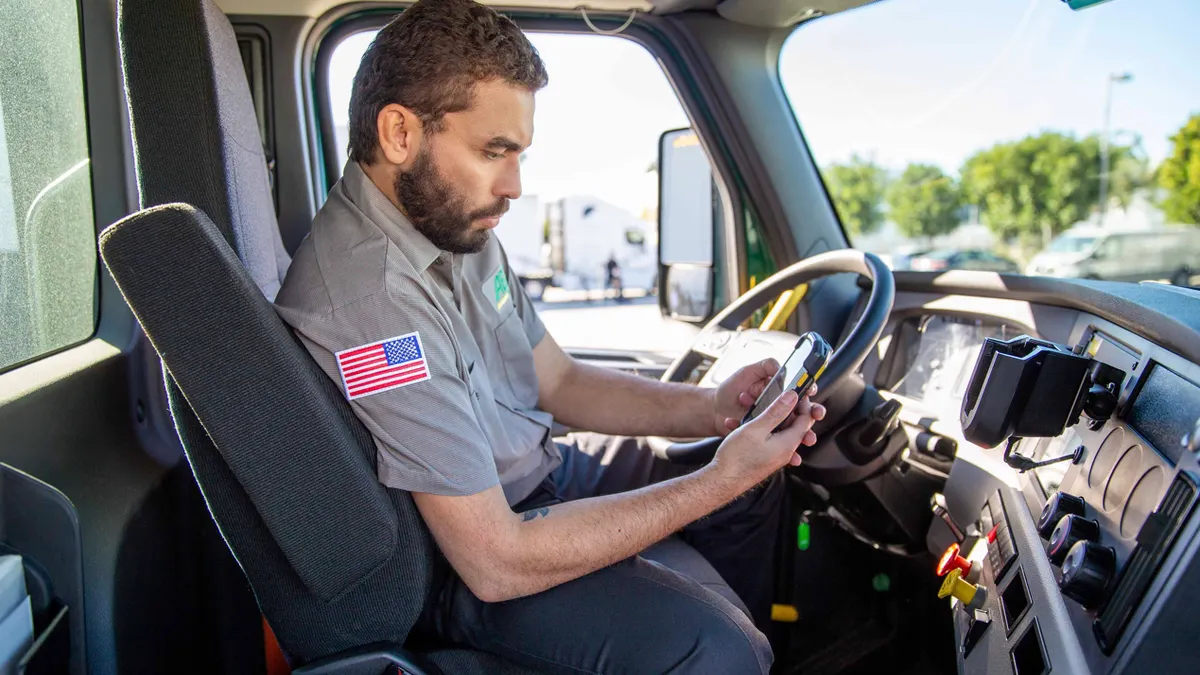
However, there’s at least one market condition that is creating tailwinds for Ryder’s dedicated and fleet management segments: truck driver shortages across the industry. Trucking employment fell by about 27,500 jobs from January 2025 to January 2026, Bureau of Labor Statistics data shows, tightening labor availability and potentially pushing more customers to outsourced fleet solutions.
“We have seen a number of inquiries and the level of commitment and activity from customers to sign up for longer-term contracts up in the quarter, which was very encouraging,” Diez said during the earnings call. “So clearly, there are signs out there that we are seeing pressure on that side that's going to bring more demand for us.”
As freight conditions recover, Ryder expects to capture about $10 million in upside from stronger used vehicle sales in 2026, while executives also anticipate additional opportunities for contractual sales growth.