CHARLOTTE, N.C. — Domestic manufacturing’s momentum — fueled by the data center boom and strong consumer spending — are propelling the domestic economy, and therefore the trucking industry, according to American Trucking Associations Chief Economist Bob Costello.

Discussing freight market trends at ATA’s 2026 Management Conference and Exhibition, which took place from Oct. 17-20, Costello noted production of computer and electrical equipment is driving growth in manufacturing.
While this may have helped the trucking industry, especially carriers who serve that space, there is a caveat, he said. Production of computer and electrical equipment only represent about 10% of all domestic manufacturing. Remove them from the overall production picture and “you’re left with no growth,” Costello said.
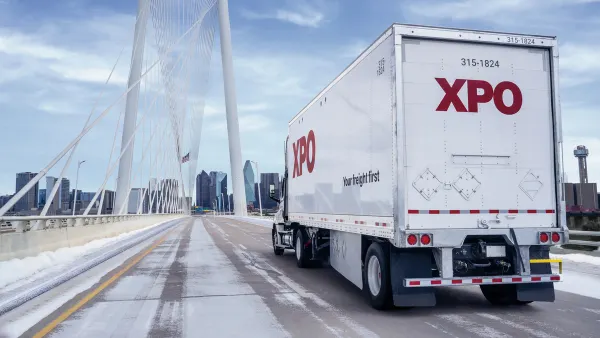
Yet, trucking companies have credited the rebounding manufacturing sector for driving the freight upcycle. Carriers including Landstar System reported growing momentum in data center related freight, while XPO noted tonnage gains from manufacturing shipments.
Costello said carriers may be benefiting from healthier market conditions, but the industry’s turnaround is different from past years.
“We are in a cycle like we have never seen before and it’s all supply driven,” he said.
Capacity has been exiting the market, either due to bankruptcy or companies merging. Meanwhile, more stringent enforcement of English language proficiency and non-domiciled CDLs, as well as greater scrutiny placed on CDL schools, have limited the driver supply.
Carriers also face escalating expenses including record-setting diesel costs and higher wages as competition for a shrinking driver pool intensifies.
Besides the expansion in manufacturing, construction activity and household consumption continue to prop up the economy, Costello said. He noted the real inflation-adjusted gross domestic product is forecast at 2.4% this year, which is slightly higher than last year’s 2.1% GDP.
However, concerns over inflation and higher interest rates may influence the retail sector and personal consumption expenditures down the road, he said.
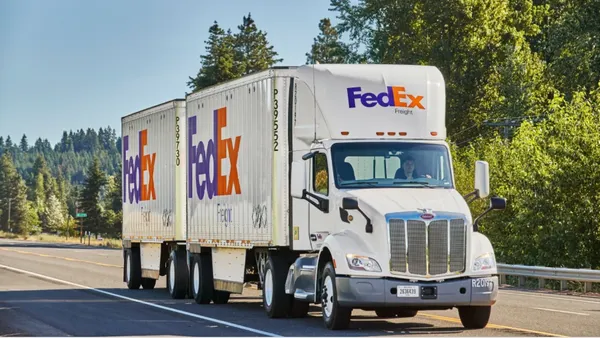
So far, rising consumer costs have had minimal impact on retail activity or trucking companies who serve that space. In fact, during earnings calls this month, Old Dominion Freight Line and FedEx Freight noted strong activity in the segment.
Costello noted that despite inflationary worries, there’s nothing to suggest a recession looms. He added rising retail prices have yet to curtail spending, which rose at an annual rate of 3.8% in September.
Schneider National President and CEO Jim Filter said on an earnings call that consumer spending has remained resilient but recognized how inflation could produce headwinds.
“Higher interest rates and affordability constraints continue to weigh on certain key markets such as housing and automotive,” Filter said on the call. He added the carrier’s Q3 freight volume reflected typical seasonality and normal inventory patterns rather than deteriorating demand trends.